How to Get Volunteer Hours: A Complete Guide for Students, Professionals, and Organizations
Published on May 20, 2026


Published on May 20, 2026
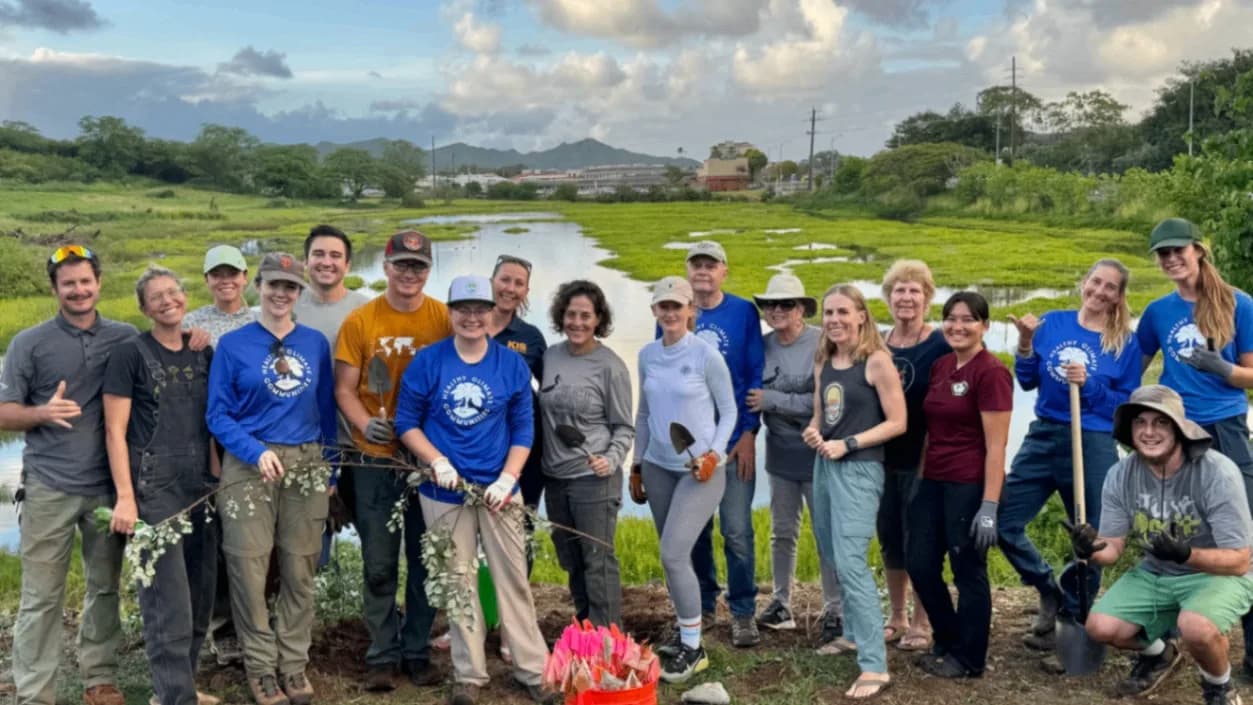
Whether you are a student fulfilling a graduation requirement, a professional looking to give back, or an organization trying to engage your community, knowing how to get volunteer hours is the first step toward making a real difference. This guide walks you through finding the right opportunities, staying organized, and tracking every hour you give so nothing goes undocumented.
Volunteer hours are not just a line on a resume. They represent real impact: time spent feeding families, tutoring students, building homes, and strengthening communities. But they also serve practical purposes for a wide range of people.
Students need documented hours for college applications, NHS membership, scholarships, and graduation requirements. Employees participate in corporate social responsibility programs that require verified hour counts. Court-ordered volunteers must submit accurate logs to fulfill legal obligations. Nonprofits and schools need aggregated hour reports to demonstrate community engagement to funders and stakeholders. Whatever your reason, tracking volunteer hours carefully and consistently is essential.
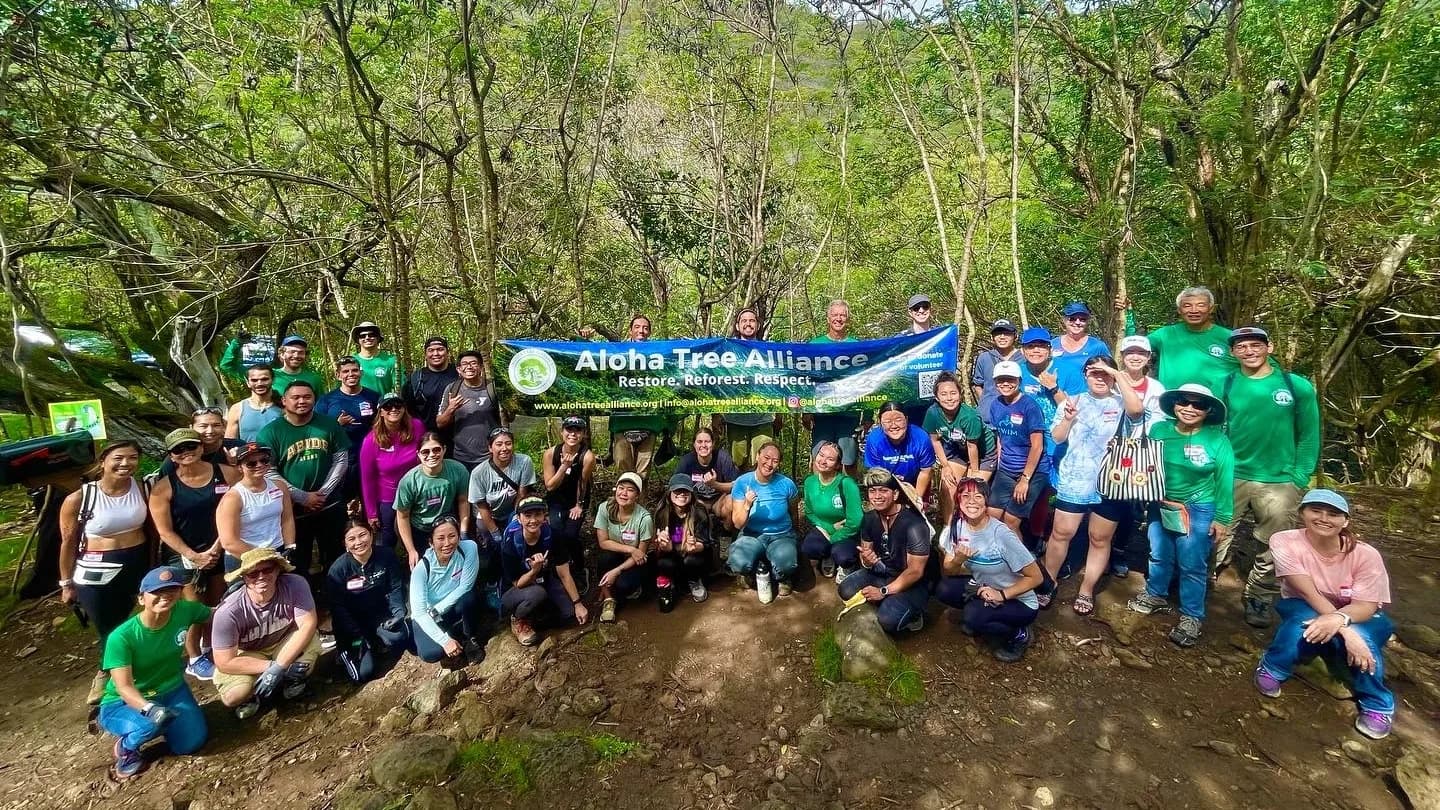
The best volunteer experience is one you will actually show up for. Start in your own backyard. Local food banks, animal shelters, libraries, hospitals, and community centers almost always need help. Call directly or check their websites for volunteer sign-up pages.
One of the easiest ways to find verified, meaningful opportunities is through a platform like VolunteerAlly, which connects volunteers with a network of vetted nonprofits and community partners. Instead of searching dozens of websites, you can browse organizations filtered by cause, location, date, and time commitment. Sign-up is streamlined, and your hours are recorded automatically the moment you check in. No spreadsheets, no email chains, no chasing coordinators for signatures.
If you cannot commute, remote volunteering is a real option. Hundreds of organizations need help with data entry, social media management, online tutoring, and graphic design. Every hour still counts. You should also check with your school or employer, since many schools maintain approved volunteer partner lists and many employers offer paid volunteer time off or organized volunteer days.
Knowing how many hours you have is great. Being able to prove it instantly, in any format, is even better. With VolunteerAlly, exporting your volunteer history takes seconds. You can download a complete report of your volunteer history broken down by event, date, and organization, then send it directly to a scholarship committee, employer, court coordinator, or college admissions office. Learn how to export your volunteer hours →
If you manage volunteers at an organization, you can export aggregate hour totals across your entire volunteer roster for grant applications, board reports, or funder presentations. No more scrambling to collect signatures at the end of the semester, and no more emailing coordinators weeks later asking them to verify hours they barely remember. Learn how to export your organization's volunteer report →
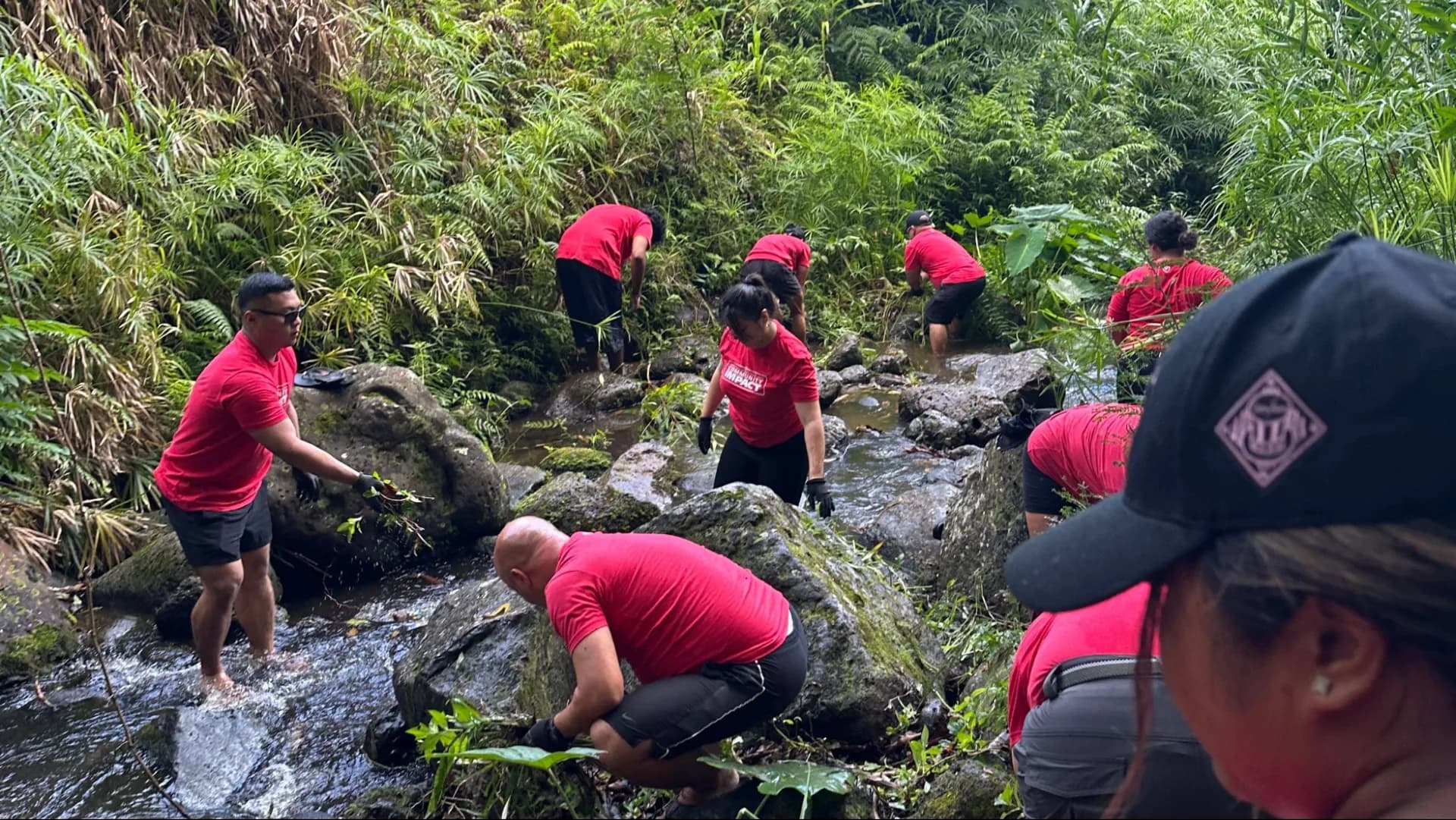
Volunteering isn't just personally fulfilling—it can also give your career a boost.
Start by setting a weekly or monthly goal. Even two hours a week adds up to over 100 hours a year, and consistency beats intensity every time. Along those same lines, try to stick with one or two organizations rather than bouncing around. Volunteers who return regularly become trusted team members, take on more meaningful roles, and make a deeper impact than one-time drop-ins ever do.
Make it a habit to document your hours immediately after each shift while the details are still fresh. Do not wait until the end of the semester to reconstruct your history from memory. If you need a letter of recommendation for college or a scholarship, ask your coordinator after you have built a real relationship, not the week before the deadline. The volunteers who get the strongest letters are the ones coordinators actually know.
Finally, take a few minutes after each session to jot down what you did and how it affected you. Colleges and employers do not just want to see a number. They want to understand what you took away from the experience, and those small notes will become the foundation of your best application essays and interviews.
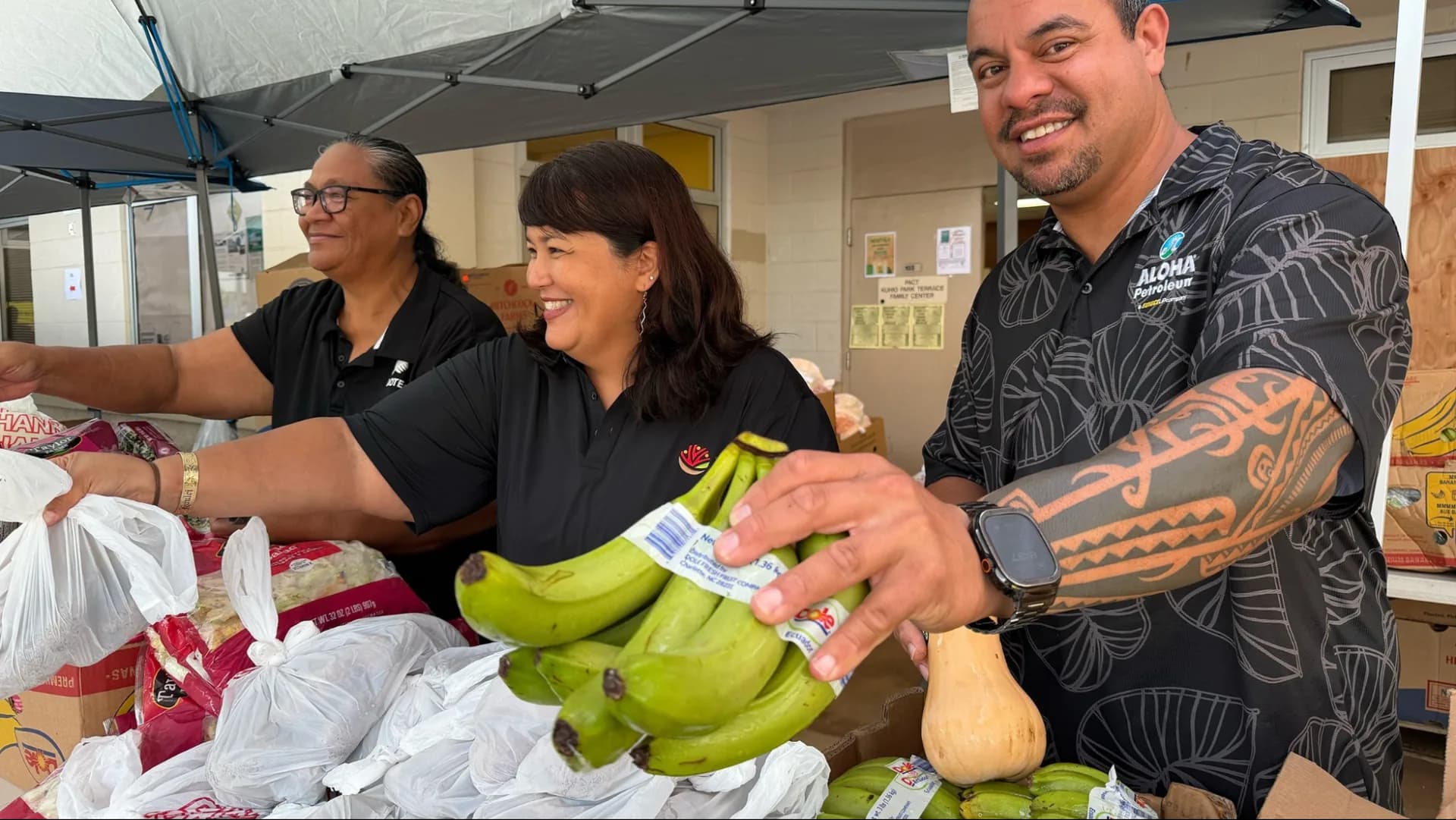
Getting volunteer hours does not have to be complicated. With the right approach, you can find meaningful opportunities, show up with confidence, and walk away with an accurate, verified, exportable record of every minute you gave. Whether you are a first-time volunteer or a seasoned community servant, the key is to find work you care about, commit to it consistently, and document everything from day one. The hours add up faster than you think, and the impact lasts far longer than any report.