How To Put Volunteer Work On A Resume
Published on April 1, 2026

Published on April 1, 2026
Volunteer experience can be just as valuable as paid work, especially if you’re early in your career, changing industries, or looking to showcase transferable skills. For entry level job seekers and recent graduates, volunteer work helps shape your professional identity and provides important experience when paid experience is limited. Many employers value volunteer work because it helps them understand your interests, skills, and character, especially when you have little or no professional experience. Knowing how to put volunteer work on a resume the right way helps employers see your experience as relevant, credible, and impactful.
This guide explains where to list volunteer work, how to describe it, and how to make it strengthen your resume. For those with limited professional experience, volunteer work can provide concrete examples of abilities and skills relevant to potential employers.
Follow these steps to add volunteer experience the right way:
Volunteer work is a powerful way to enhance your resume, whether you’re just starting out, changing careers, or looking to fill employment gaps. Including volunteer experience on your resume shows employers that you take initiative, are committed to making a difference, and are eager to contribute to your community. For job seekers with limited professional experience, volunteer roles can be a great way to develop real-world skills like project management, event planning, and leadership. These experiences help you build transferable skills, such as communication, teamwork, and problem-solving, that are highly valued by employers across industries. By showcasing your volunteer work, you can set yourself apart from other candidates and demonstrate the valuable skills you bring to any role.
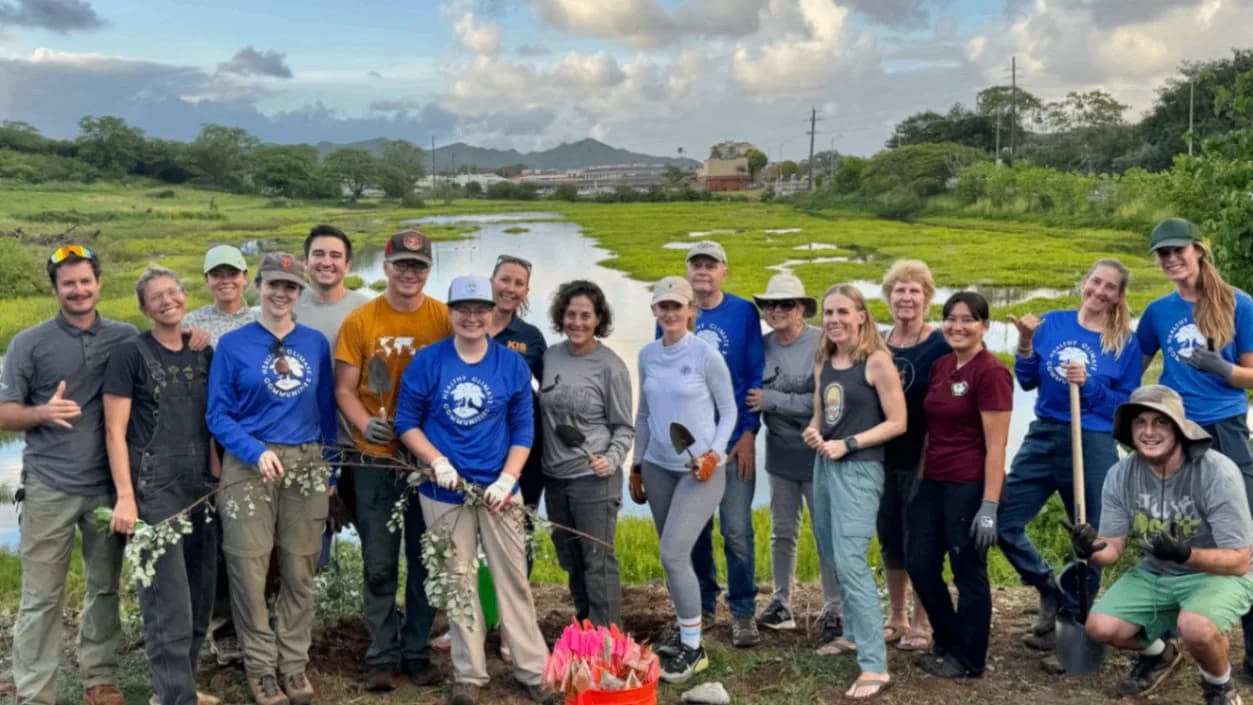
Volunteer work demonstrates:
Over 80% of hiring managers prefer candidates with volunteer experience. Including volunteer work as experience on a resume can help fill employment gaps and show ongoing skill development, especially during periods without paid employment. Volunteer work can be as valuable as paid employment in the eyes of many employers.
For students, career changers, and professionals with employment gaps, volunteer experience can significantly enhance a resume.
A dedicated section is especially useful for organizing volunteer experiences from the last 5 to 10 years, making your resume clear and focused. If your volunteer work is unrelated to your career field, it's best to create a separate section for it at the end of your resume. This keeps your experience organized and easy for recruiters to scan.
If your volunteer role is highly relevant to the job you’re applying for, it can be listed alongside paid roles. Treat it the same way:
If your volunteer work involves relevant responsibilities or transferable skills, integrate it into your main 'Experience' section and treat it with the same professionalism as paid work. This transparency helps employers understand your experience and avoids confusion.
Students or recent graduates, especially those seeking entry level positions, may include volunteer work under their education section, especially if it was part of a program, organization, or requirement. If you have little or no professional experience, you can also add volunteer positions to your professional background section to showcase relevant skills and experience.
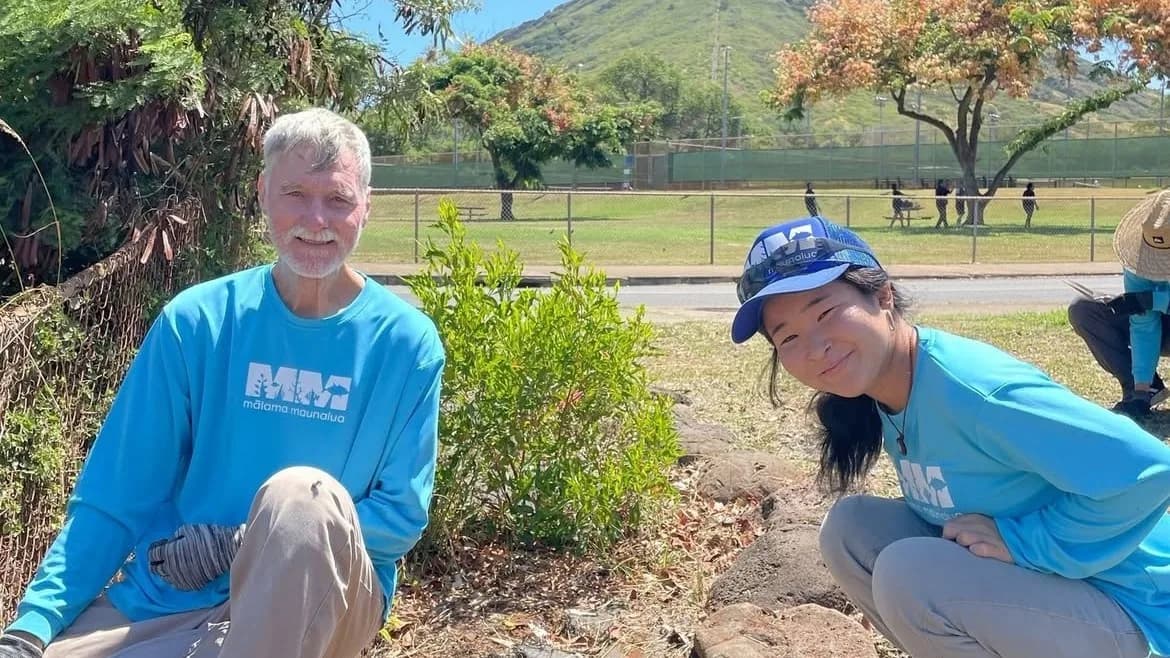
When listing volunteer experience, focus on skills and impact, not just duties.
Start bullet points with strong action verbs: Each bullet point should begin with a strong action verb to clearly convey your role and impact. For example:
Using strong action verbs and measurable results in your bullet points makes your volunteer experience stand out to employers. This approach highlights your achievements and demonstrates the value you brought to the organization.
Numbers help employers understand your contributions:
Volunteer roles often help you develop and showcase important skills and useful skills that employers seek, such as:
Volunteer experiences are valuable for demonstrating transferable skills, even if your volunteer work was in a different industry. These roles can highlight valuable skills such as leadership, teamwork, and communication, which are often sought by employers.
Make sure these skills align with the job you’re applying for.
To make your volunteer experience stand out, it’s important to tailor it to each job application. Start by carefully reviewing the job description and identifying the key skills and qualifications the employer is seeking. Then, highlight the aspects of your volunteer experience that best match those requirements. For example, if the job calls for event management skills, describe your role as a volunteer event coordinator and emphasize your ability to plan, organize, and execute successful events. Use language from the job description to describe the skills you gained and the key responsibilities you handled. By aligning your volunteer experience with the needs of the job, you show hiring managers that you have the relevant skills and experience they’re looking for, making your resume more compelling and increasing your chances of landing an interview.
Coordinator (Volunteer) Community Organization | City, State Month/Year – Month/Year
Tutor (Volunteer) Educational Nonprofit | City, State Month/Year – Month/Year
Not every volunteer role needs to be listed. Focus on relevant volunteer work that:
Including volunteer work can help fill gaps in employment and demonstrate ongoing skill development during periods without paid work.
Short-term or unrelated volunteer work can be summarized or placed in a separate section at the end of your resume if space is limited.
Your volunteer work should look just as polished as the rest of your resume.
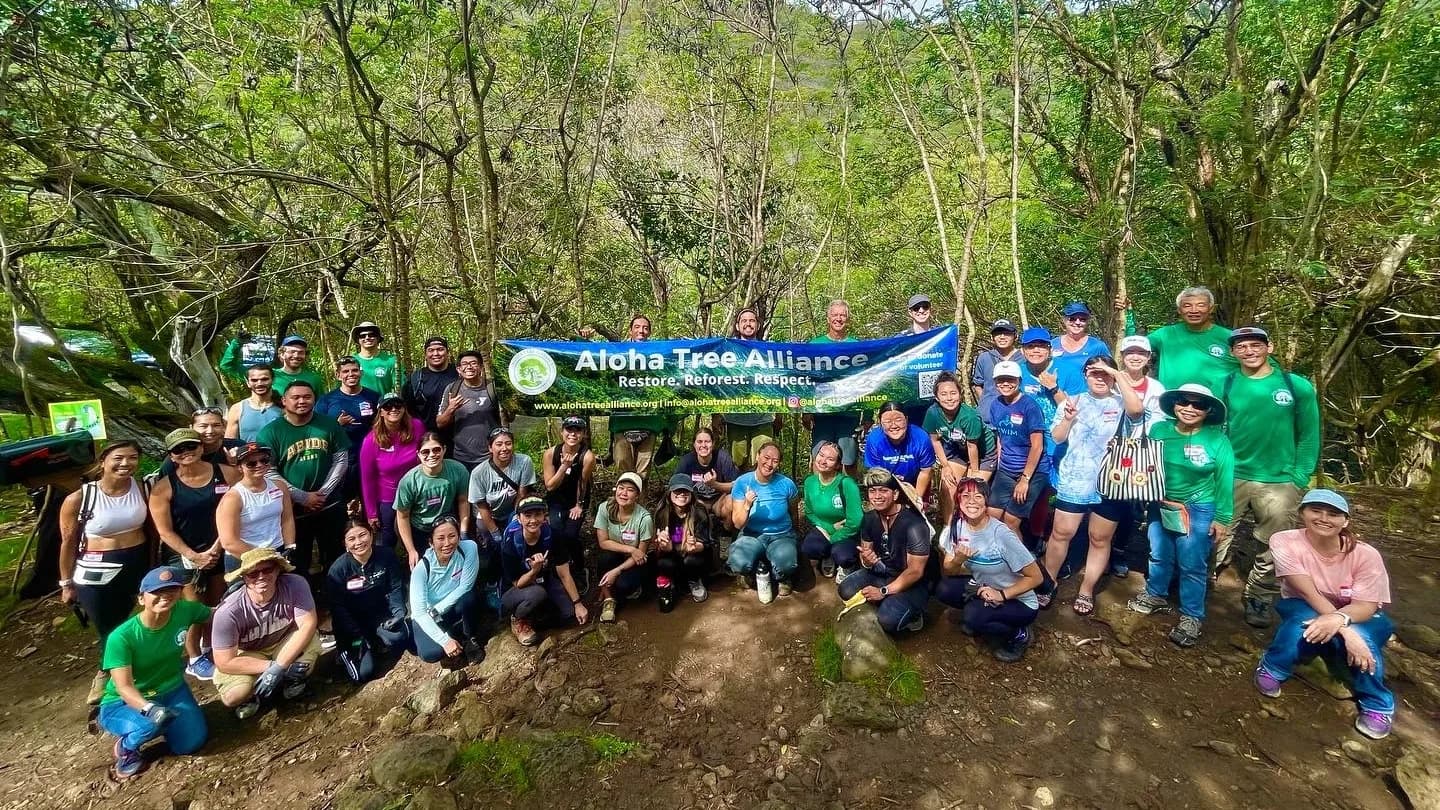
Choosing the right volunteer role can strengthen both your resume and your community impact. Seeking leadership positions in volunteer roles can help you develop leadership potential, which is highly valued by employers. Unpaid work, including volunteer roles, can be valuable for building skills and experience, especially for career changers looking to bridge gaps in relevant skills. Look for opportunities that:
👉 You can explore volunteer opportunities on VolunteerAlly to find roles that help you gain experience while giving back to the community.
Understanding how to put volunteer work on a resume helps employers recognize the value of your experience. Including volunteer work on your resume can showcase useful skills, relevant experience, and initiative that employers value. When presented clearly and strategically, volunteer roles can strengthen your resume, showcase your skills, and set you apart from other candidates.
Volunteer work can be included in the professional experience section of your resume if it is relevant to the job you are applying for. In 2026, 41% of employers consider volunteer experience as valuable as paid jobs.
Volunteering isn’t just about giving back, it’s also an opportunity to grow professionally.
Place volunteer work in a dedicated Volunteer Experience section, within your work experience if it is relevant to the job, or under education if you are a student or recent graduate.
Yes. If the volunteer role is relevant to the job you are applying for, list it alongside paid roles with the organization, your title, the dates, and your key achievements.
Start each bullet with a strong action verb and quantify your impact. For example: 'Coordinated weekly schedules for 20+ volunteers, increasing event participation by 30%.'
Include volunteer work that relates to the position, demonstrates valuable skills, or shows consistency and leadership. Summarize or leave off unrelated, short-term roles.