Why Do People Volunteer? 10 Reasons That Drive People to Give Back
Published on January 1, 2025


Published on January 1, 2025
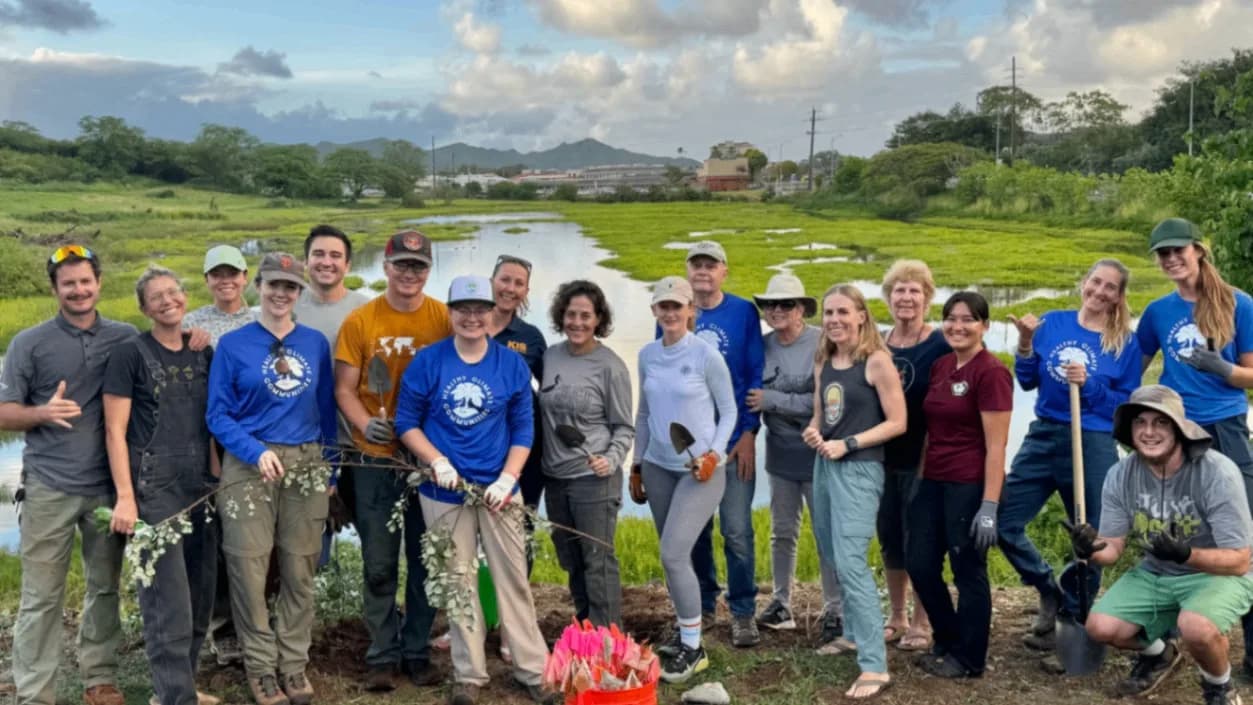
Every year, billions of hours of unpaid work quietly power hospitals, food banks, disaster relief operations, youth mentorship programs, and environmental causes around the world. But what drives someone to give their time for free? Why do people volunteer when their schedules are already packed?
The answer is rarely simple. People volunteer for deeply personal, social, professional, and even psychological reasons, often more than one at once. Understanding why people volunteer helps organizations recruit better, helps individuals reflect on their own motivations, and reveals something profound about human nature itself.

Psychologists have long studied what motivates prosocial behavior. The Volunteer Functions Inventory (VFI), developed by Clary and Snyder, identifies six core motivational functions that volunteering can serve:
People rarely volunteer for a single reason. The most committed, long-term volunteers are typically those whose role satisfies multiple motivations at once, personal, social, and practical. Organizations that help volunteers identify and fulfill their personal motivations see significantly higher retention rates and deeper engagement.
Yes, and the evidence is compelling. Studies consistently find that regular volunteers report higher life satisfaction, stronger social networks, better physical health, and even longer lifespans compared to non-volunteers. One landmark study from Carnegie Mellon University found that adults over 50 who volunteered regularly were significantly less likely to develop hypertension than non-volunteers.
The benefits are strongest when volunteering is aligned with personal values, done for at least 2 hours per week, performed with a social component, and focused on direct human or environmental impact.
What is the most common reason people volunteer?
The most frequently cited reason is a desire to make a difference or contribute to a cause they care about. Altruism and personal values consistently top surveys about volunteer motivations.
Does volunteering help with depression and anxiety?
Research suggests yes. Regular volunteering is linked to reduced symptoms of depression and anxiety, particularly due to the social connection and sense of purpose it provides.
How much do Americans volunteer each year?
Americans contribute approximately 7.9 billion hours of volunteer time annually, with an economic value estimated in the hundreds of billions of dollars.
Can volunteering help my career?
Absolutely. Volunteering builds real-world skills, expands your professional network, and demonstrates initiative and values to potential employers, all of which can meaningfully advance a career.
Why do older adults volunteer more than younger people?
Research shows that older adults, particularly retirees, volunteer at high rates for purpose, social connection, and identity. However, young people volunteer in high numbers too, often for career development and values expression.
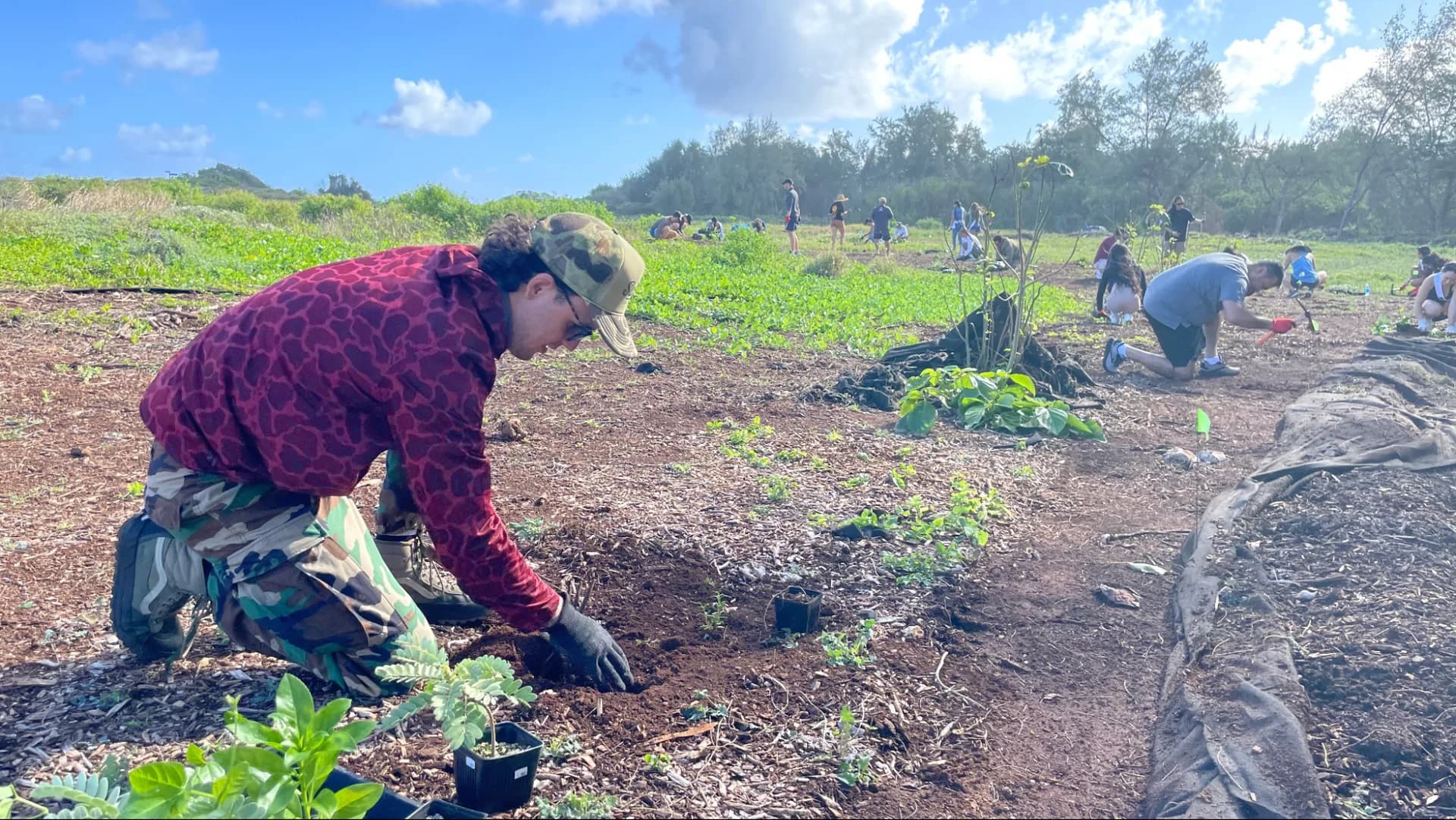
People volunteer because helping others is one of the most human things we can do, and because it helps us too. Whether the motivation is altruism, connection, career growth, or a search for meaning, volunteering consistently delivers for both the giver and the receiver.
Understanding why people volunteer, and what keeps them coming back, is essential for anyone looking to engage volunteers effectively, encourage others to start, or simply reflect on what draws them to serve.